
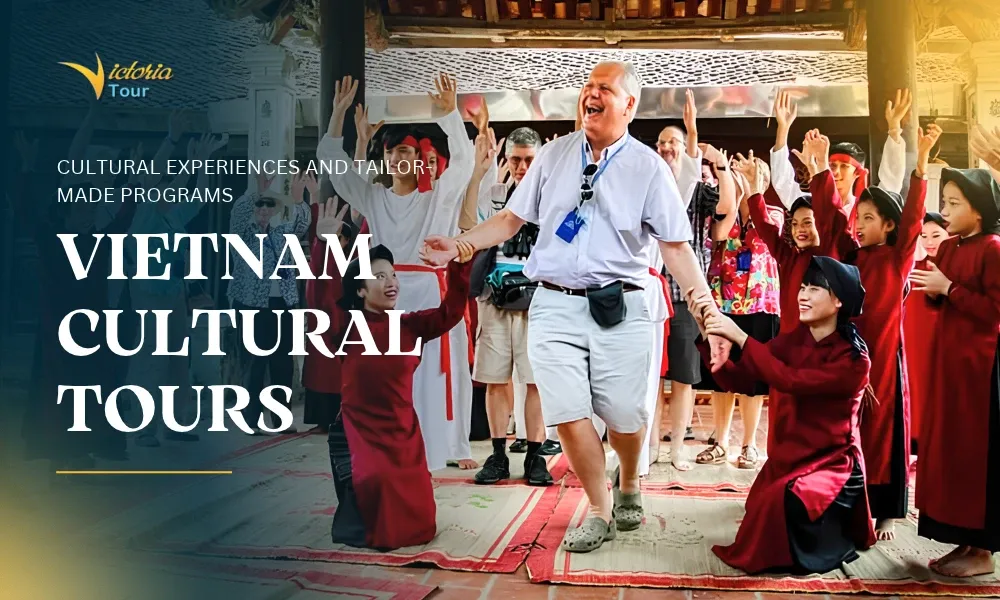
Vietnam is a destination where history, traditions, food, architecture, and everyday life come together to create distinctive travel experiences. From the historic streets of Hanoi to the imperial heritage of Hue and the trading history of Hoi An, each destination offers a different perspective on Vietnamese culture.
For travel agencies and tour operators, the opportunity lies in connecting these elements into a meaningful journey rather than simply arranging visits to individual attractions. Well-planned Vietnam cultural tours can combine heritage sites, local food experiences, traditional crafts, and interactions with local communities. The result is a more comprehensive introduction to the country, tailored to the interests, travel style, and schedule of each group.
With local destination knowledge and coordinated ground services, Victoria Tour helps B2B partners develop cultural itineraries that balance historical exploration, authentic experiences, and practical travel arrangements.
What Makes Vietnam a Strong Destination for Cultural Tours?
Vietnam's cultural identity has developed through centuries of history, regional traditions, international exchange, and changing ways of life. This diversity gives travel agencies flexibility when developing cultural programs for different markets.
Cultural heritage in Vietnam can be explored through historic cities, religious architecture, royal monuments, traditional villages, and sites connected to important periods in the country's development. At the same time, food markets, family-run restaurants, craft workshops, and neighborhood streets offer insights into contemporary Vietnamese life. Several elements are particularly valuable when designing cultural itineraries:
History and architecture: Explore historic buildings, imperial citadels, ancient towns, and monuments that reveal different periods of Vietnamese history.
Regional food traditions: Discover how geography, ingredients, and local customs influence Vietnamese cuisine.
Traditional crafts: Introduce travelers to established craft practices through workshops and visits to suitable artisan communities.
Local customs and daily life: Help visitors understand regional differences through markets, neighborhoods, and interactions with local guides.
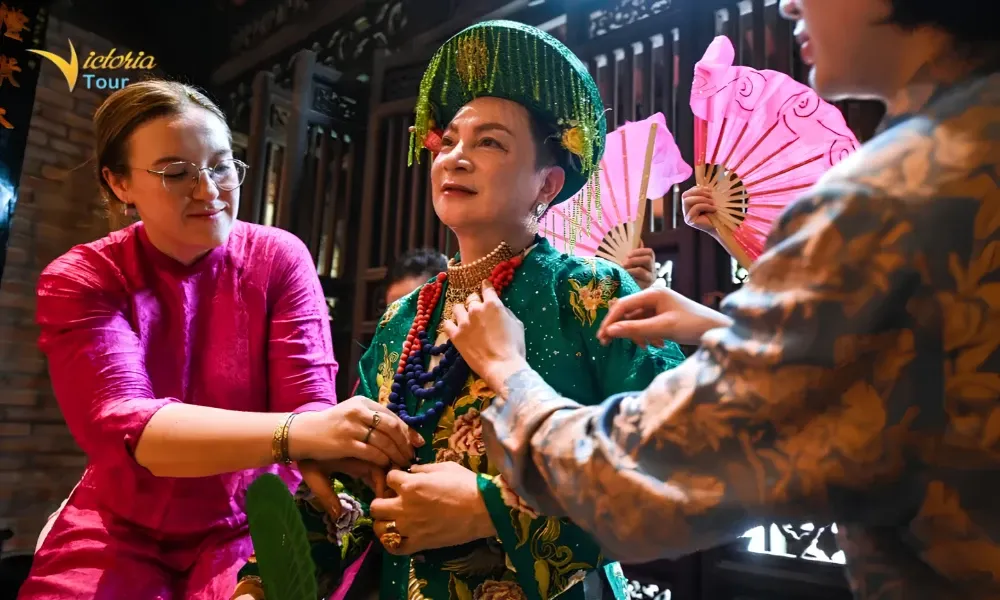
Cultural events: Incorporate festivals, traditional performances, and seasonal celebrations when dates and access can be confirmed.
These elements can be combined in different ways depending on whether the program focuses on history, architecture, food, local lifestyles, or a broader introduction to Vietnam.
Best Destinations to Include in Vietnam Cultural Tours
Selecting the right destinations is essential to building a coherent cultural itinerary. Rather than treating every stop as an independent sightseeing experience, travel agencies can connect destinations through shared historical themes, regional identities, and complementary activities.
Hanoi
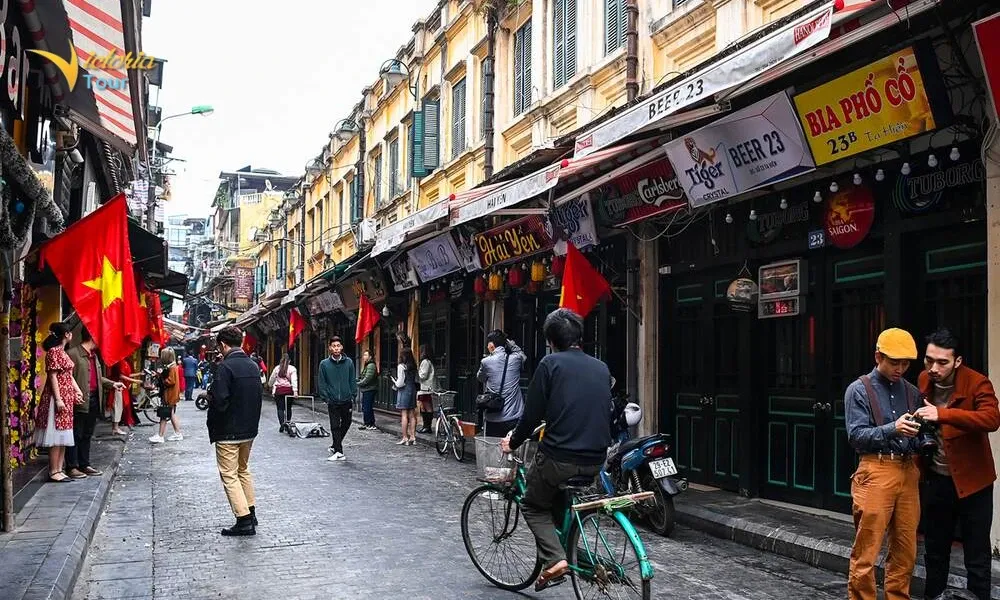
Hanoi offers an introduction to Vietnam's historical development and contemporary urban life. The Old Quarter, Temple of Literature, historic architecture, and local food traditions provide different ways to explore the capital.
Travelers can combine guided heritage walks with visits to local markets, traditional food experiences, and neighborhood exploration. These activities help explain how historical influences remain visible in the city's streets, architecture, and daily routines.
For cultural programs covering northern Vietnam, Hanoi also works well as a starting point for journeys to Ninh Binh and other destinations.
Ninh Binh
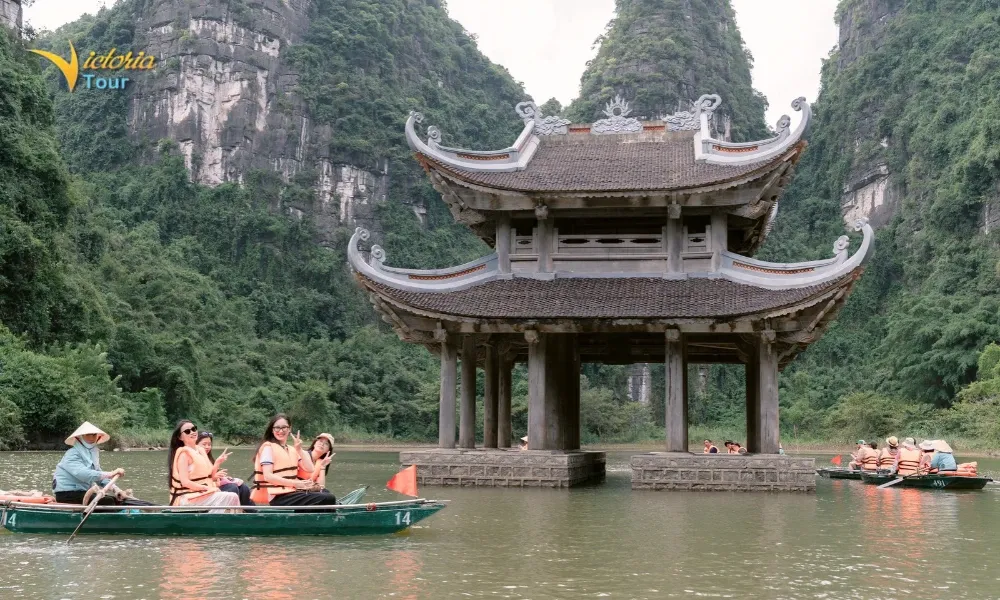
Ninh Binh offers a distinctive combination of dramatic limestone landscapes, ancient history, and cultural heritage shaped by the relationship between people and their natural surroundings. Towering karst mountains rise above winding waterways, rice fields, and traditional villages, creating a setting where historical landmarks and everyday rural life remain closely connected.
At the heart of this heritage is Hoa Lu Ancient Capital, which served as the capital of Dai Co Viet under the Dinh and Early Le dynasties in the 10th and early 11th centuries. Surrounded by limestone mountains and narrow valleys, Hoa Lu occupied a strategically important position in Vietnam's early state formation. Today, its temples and historic remains provide an opportunity to explore the country's early independent monarchy, the legacy of its founding rulers, and the development of Vietnamese political and cultural identity.
Ninh Binh's heritage extends beyond individual monuments. Trang An Landscape Complex - a UNESCO World Heritage Site since 2014, is recognized for its combined cultural and natural values. Its significance lies not only in the striking scenery, but also in the archaeological evidence of human activity spanning more than 30,000 years, the historic role of Hoa Lu, and the presence of temples, pagodas, rice fields, and traditional settlements within the wider landscape. This makes Trang An particularly valuable for cultural itineraries that explore how communities have adapted to and lived alongside their environment over many generations.
Nowadays, Ninh Binh is therefore more than a scenic stop between Hanoi and other northern destinations. Combining Hoa Lu's historical significance with Trang An's cultural and natural heritage creates a richer Vietnam heritage tour, allowing travelers to discover the country's early history, traditional rural landscapes, and enduring relationship between cultural identity and the natural environment for travel agencies.
Hoi An
Hoi An reflects Vietnam's history of international trade and cultural exchange through its preserved architecture, historic streets, and long-established commercial traditions. Once an important trading port, the town developed through connections between Vietnamese communities and foreign merchants, leaving a distinctive architectural character that combines local traditions with external influences.
Nowadays, Hoi An Ancient Town offers travelers an opportunity to explore historic merchant houses, assembly halls, temples, and narrow streets lined with traditional yellow buildings. Walking tours can introduce the town's trading history and architectural heritage, while local food experiences, lantern-making workshops, and visits to craft establishments provide a closer look at its living cultural traditions.
For travel agencies, Hoi An is particularly suitable for cultural itineraries that combine heritage exploration with hands-on activities and local cuisine. Its compact historic centre also makes it practical to incorporate guided walks and cultural experiences into a broader journey through central Vietnam.
Hue
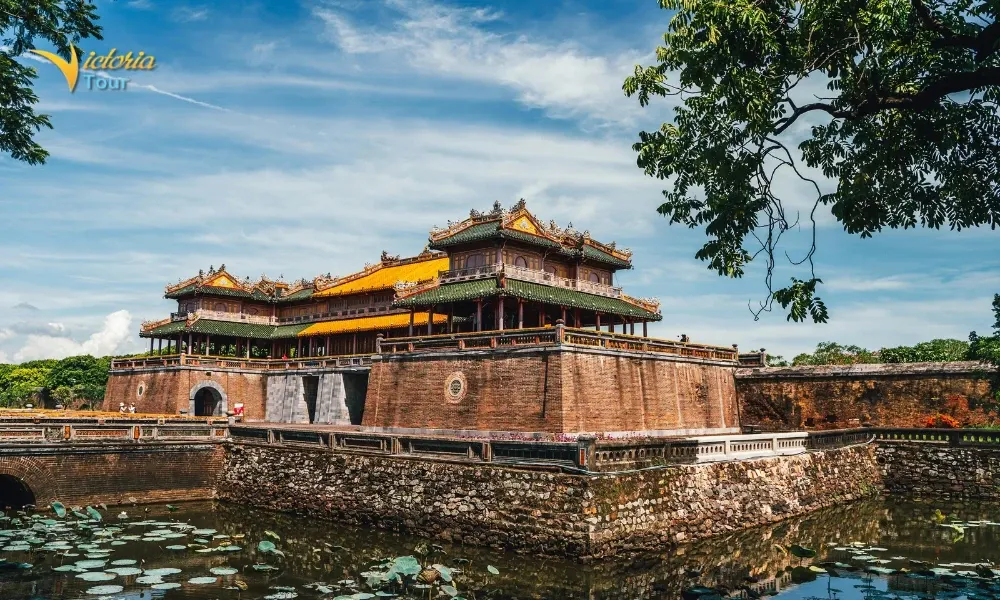
Hue is one of Vietnam's most significant destinations for exploring imperial history and royal cultural heritage. As the capital of the Nguyen Dynasty from 1802 to 1945, the city developed into a political and cultural centre, leaving behind a legacy of palaces, temples, royal tombs, and ceremonial architecture.
The Complex of Hue Monuments - a UNESCO World Heritage Site that includes the Imperial City, the Forbidden Purple City, and a network of royal tombs and other historic structures.
Beyond its monuments, Hue's cultural identity can be explored through its traditional cuisine, pagodas, and long-standing artistic traditions. Visitors may combine guided visits to the Imperial City and royal tombs with regional food experiences or selected traditional performances, creating a more rounded understanding of the former imperial capital.
Hue is particularly valuable for Vietnam heritage tours focused on royal history, architecture, and traditional culture. It can be combined with Hoi An and Da Nang to create a central Vietnam itinerary that connects imperial heritage with historic trading traditions and contemporary local life.
Ho Chi Minh City
Ho Chi Minh City offers a different perspective on Vietnam's cultural heritage, shaped by its history as a major commercial center and its transformation through various historical periods. The city's streets are a blend of French colonial architecture, historical monuments, museums, religious sites, and the bustling energy of modern Vietnamese life.
Visitors can explore landmarks such as the Central Post Office, the historic area surrounding Notre Dame Cathedral, and the Independence Palace, all connected to significant events in Vietnam's modern history. Museums, including the War Remnants Museum, provide further context for understanding wartime experiences and the country's historical development.
Beyond its historical sites, Ho Chi Minh City is renowned for its diverse culinary culture, traditional markets, street food stalls, and vibrant neighborhoods. The city is an ideal destination for cultural journeys that combine historical interpretation with contemporary experiences. The program may include museum visits, architectural walks, local cuisine tastings, and market strolls, offering a balanced glimpse into the past and present of Southern Vietnam.
Mekong Delta
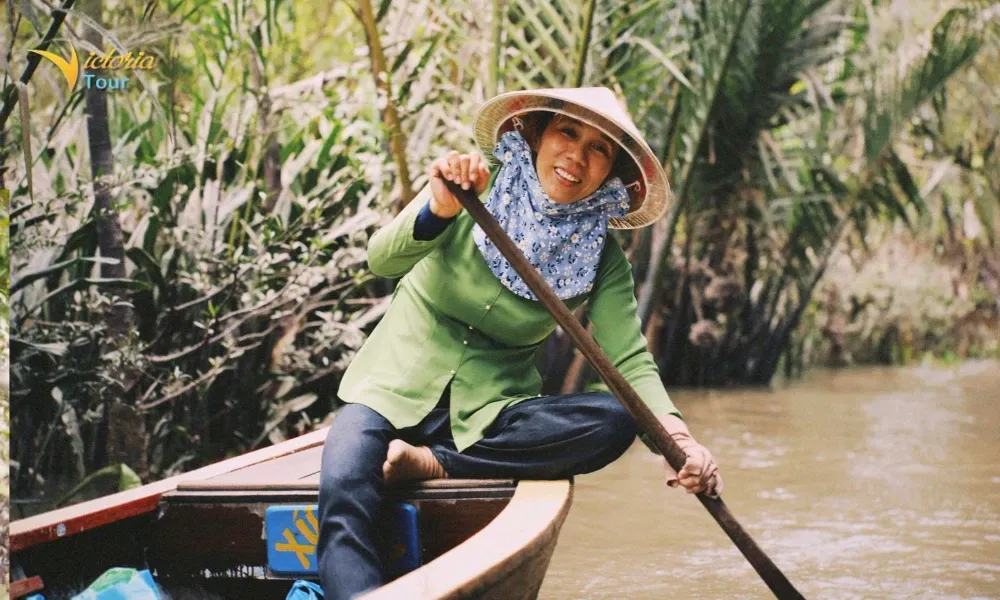
The Mekong Delta offers cultural experiences shaped by its network of rivers and canals, fertile farmland, and communities whose livelihoods have long depended on water. Rather than grand architecture, the region's cultural character is reflected in daily activities, local culinary traditions, farming practices, and the close relationship between communities and the riverine environment.
One of the region's most distinctive experiences is exploring its waterways by boat. Visitors can discover local markets, observe riverside activities, and see how boats and canals support everyday trade and transportation. The Cai Rang Floating Market near Can Tho, for example, offers insight into a traditional form of river-based commerce, although activity levels and market conditions may vary. Depending on the group's schedule and interests, this experience can be combined with visits to nearby communities or other local attractions.
The delta also provides opportunities to explore orchards, home gardens, traditional food production, and rural communities. Visitors can learn about local ingredients, sample seasonal produce, or observe traditional crafts and food-processing activities where available. These experiences can be incorporated into itineraries of different lengths, allowing the Mekong Delta to complement Ho Chi Minh City's historical landmarks with a closer look at southern Vietnam's regional identity and everyday way of life.
Cultural Experiences to Include in a Vietnam Tour Package
A well-designed itinerary should offer more than a sequence of heritage visits. Combining different cultural activities in Vietnam gives travelers opportunities to observe, participate, and understand the context behind what they encounter.
Vietnamese Food Tours and Regional Cuisine
Food is an integral part of Vietnam's cultural identity, reflecting the country's regional diversity, local ingredients, and long-established culinary traditions.
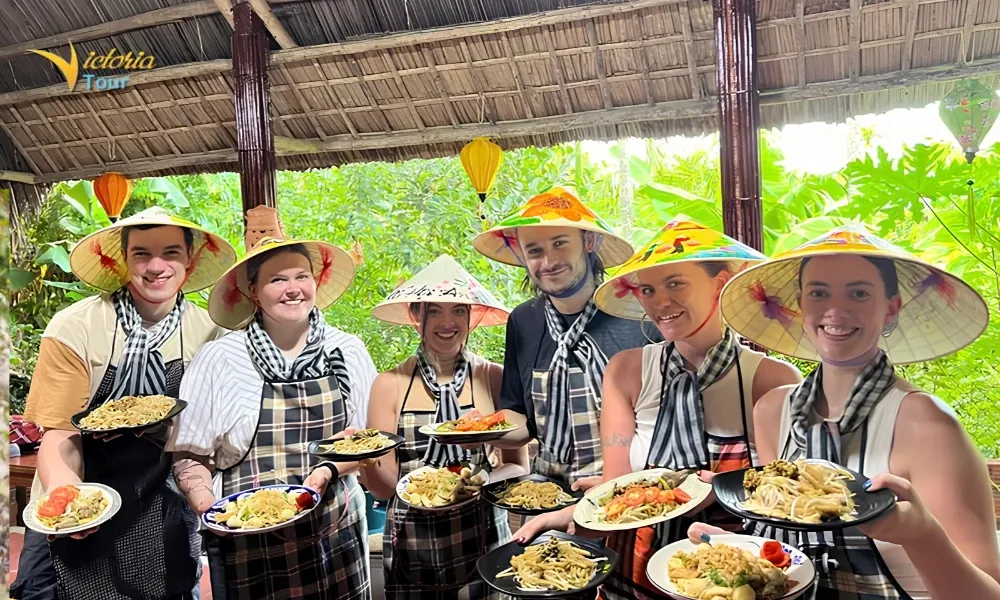
Incorporating food experiences into a cultural itinerary allows travelers to discover these differences through local market visits, street-food walks, regional specialties, and cooking classes. In Hanoi, northern cuisine is often associated with balanced flavours and traditional dishes, while Hue is known for its distinctive royal culinary heritage and Hoi An offers a rich food culture shaped by its history as a trading port.
By combining these experiences with visits to local markets and opportunities to learn about traditional cooking methods, an itinerary can provide a more engaging introduction to Vietnamese culture beyond its historic landmarks.
Heritage Walking Tours and Historical Storytelling
Heritage walking tours offer a deeper insight into Vietnamese history by allowing visitors to explore ancient streets, traditional architecture, religious sites, and historic neighbourhoods on foot.
Guided by knowledgeable local guides, visitors can learn how these places have evolved over time, how different historical periods have influenced their architecture, and how local customs continue to shape daily life. Instead of simply admiring individual landmarks, visitors gain a deeper understanding of the historical and cultural connections between them. This approach is particularly effective in destinations such as Hanoi, Hue, and Hoi An, where guided walking tours can connect major historical sites with lesser-known details of the surrounding urban landscape.
Therefore, the quality of these experiences depends lots on the guide's ability to interpret local history and cultural context, making professional tour guide services an important consideration when developing meaningful cultural itineraries
Traditional crafts and handicraft workshops
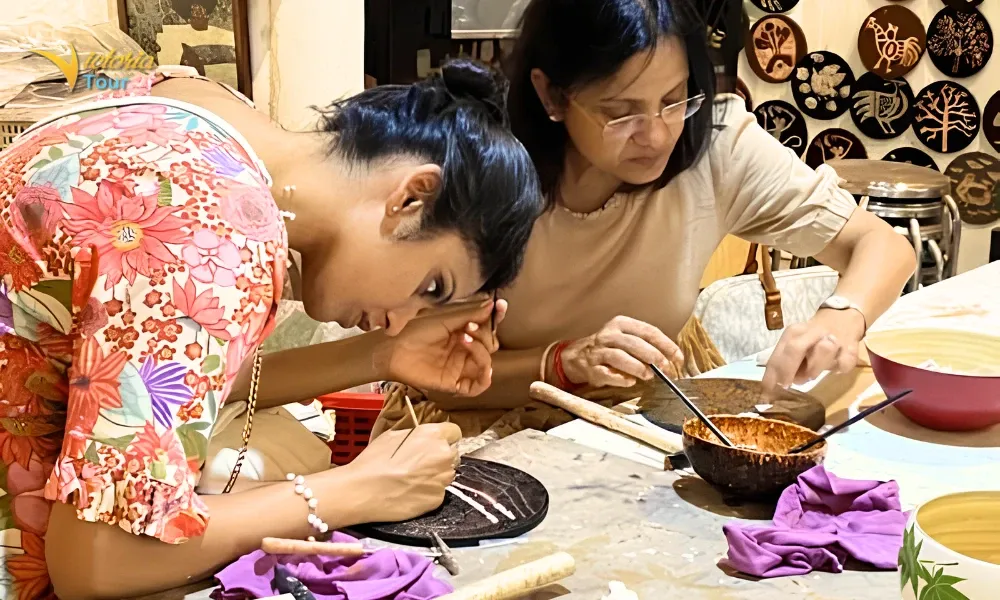
Traditional crafts offer another way to explore Vietnam's cultural heritage, preserving techniques and artistic practices passed down through generations. There are several traditional activities visitors can explore, such as lantern making in Hoi An, pottery production, or other local crafts that reflect the materials, skills, and traditions of each community.
Visiting a craft workshop gives visitors the opportunity to observe the production process and understand the connection between these crafts and local livelihoods and cultural identity.
These handmade craft experiences not only provide visitors with a deeper understanding of Vietnam's unique culture but also create lasting memories of souvenirs from this Southeast Asian country.
Traditional Performances and Vietnam Cultural Events
Traditional performances and local cultural events bring Vietnam's heritage to life through music, theatre, dance, and community celebrations. Water puppetry is closely associated with northern Vietnam's rural culture and offers a distinctive form of storytelling inspired by village life and agricultural traditions. Depending on the destination and travel dates, itineraries may also include traditional music performances, local festivals, or seasonal celebrations that reflect the customs of a particular region.
For travel agencies and tour operators, these experiences can add cultural depth to a Vietnam itinerary while allowing activities to be adapted to different group profiles, client interests, and travel schedules. Combining cultural performances with regional sightseeing and local experiences can also help create a more distinctive program.
How to Plan a Vietnam Cultural Tour Itinerary
A well-designed cultural itinerary connects Vietnam's historical landmarks, regional traditions, and local experiences into a journey that suits the group's interests, schedule, and expectations. For travel agencies and tour operators, careful planning helps create a balanced program while ensuring that destinations, activities, and transport arrangements work smoothly together.
Define the Cultural Focus: Build the program around a clear theme, such as imperial history, historic trading ports, Vietnamese food culture, traditional crafts, or regional identities. A defined theme helps prioritize destinations and select experiences that contribute to a coherent cultural journey.
Develop a Practical Route and Schedule: Shorter programs can focus on one region, such as Hanoi and Ninh Binh or Hue and Hoi An, while longer journeys may connect northern, central, and southern Vietnam. Route planning should account for transfer times, attraction opening hours, seasonal conditions, and sufficient time for visitors to explore each destination.
Combine Heritage Visits with Local Experiences: Balance visits to historic sites and cultural landmarks with participatory activities such as food tours, artisan workshops, and local community experiences. Combining these formats gives travelers a broader understanding of Vietnamese culture while making the itinerary more engaging and varied.
Adapt the Program to Different Traveler Profiles: Tailor activities and service levels to the group's needs. Families may prefer accessible experiences and flexible schedules, educational groups may benefit from more in-depth historical interpretation, and premium travelers may value specialist guides and carefully selected cultural activities. Adjusting the itinerary to each group's interests and expectations helps create a more suitable travel experience.
Why Work with a Vietnam DMC for Cultural Tour Programs?
Cultural itineraries often involve several types of local suppliers, heritage sites, guides, restaurants, and activity providers. Coordinating these elements requires local knowledge and attention to operational details. Working with a Vietnam DMC gives travel agencies a local partner to support itinerary development and service coordination.
Local Knowledge and Cultural Context
A local DMC can help identify suitable destinations, experiences, and guides based on the group's interests, itinerary, and travel schedule.
Tailor-made Itinerary and Supplier Coordination
Victoria Tour supports customized programs by coordinating relevant travel services, including accommodation, transportation, guides, dining, and selected cultural activities. The objective is to ensure that individual services work together within the planned itinerary and meet the partner's requirements.
On-ground Handling Across Vietnam
Operational coordination remains important throughout the journey. Transport schedules, site visits, activity timings, and communication between suppliers all affect the travel experience.
Victoria Tour's local handling support helps B2B partners coordinate arrangements at the destination and respond to operational changes according to the circumstances.
Flexible Programs for B2B Partners
Different source markets and customer groups require different service standards, schedules, and experiences. Victoria Tour works with travel agencies and tour operators to develop programs around their specifications rather than relying solely on fixed sightseeing templates.
For partners planning corporate cultural activities or incentive travel, Victoria Tour also provides information about its MICE and events services.
Frequently Asked Questions about Vietnam Cultural Tours
What is included in a Vietnam cultural tour package?
A Vietnam cultural tour package may include guided heritage visits, historical landmarks, local food experiences, traditional craft activities, accommodation, transportation, and other services depending on the itinerary and agreed inclusions.
Which destinations are best for a Vietnam heritage tour?
Hanoi, Ninh Binh, Hue, Hoi An, My Son, and Ho Chi Minh City offer different historical and cultural perspectives. The most suitable route depends on trip duration, traveler interests, and the desired balance between heritage, food, and local experiences.
How many days are needed for a cultural tour in Vietnam?
A short regional itinerary can be arranged over several days, while a journey connecting northern, central, and southern Vietnam generally requires more time. The route should allow for travel between destinations as well as meaningful visits and activities.
Can Vietnam cultural tours be customized for private or group travel?
Yes. Programs can be tailored to the group's size, interests, travel dates, preferred service level, and available time. Activities and destinations can be selected to suit the intended cultural focus.
How can travel agencies work with a Vietnam DMC?
Travel agencies can share their target market, group requirements, preferred itinerary, and service expectations with a local DMC. The DMC can then support program development, supplier coordination, and on-ground arrangements according to the agreed scope of services.
Plan a Tailor-made Vietnam Cultural Tour with Victoria Tour
Vietnam offers many ways to explore its heritage, regional traditions, and contemporary culture. The strongest itineraries connect these experiences through a clear theme, suitable pacing, and carefully coordinated local services.
For travel agencies and tour operators, Victoria Tour provides support in developing tailor-made Vietnam cultural tours that reflect their customers' interests and operational requirements.
Contact Victoria Tour to discuss your target market, travel dates, group size, preferred destinations, and cultural interests. Our team can help you explore suitable itinerary options and coordinate the local services required for your program.