
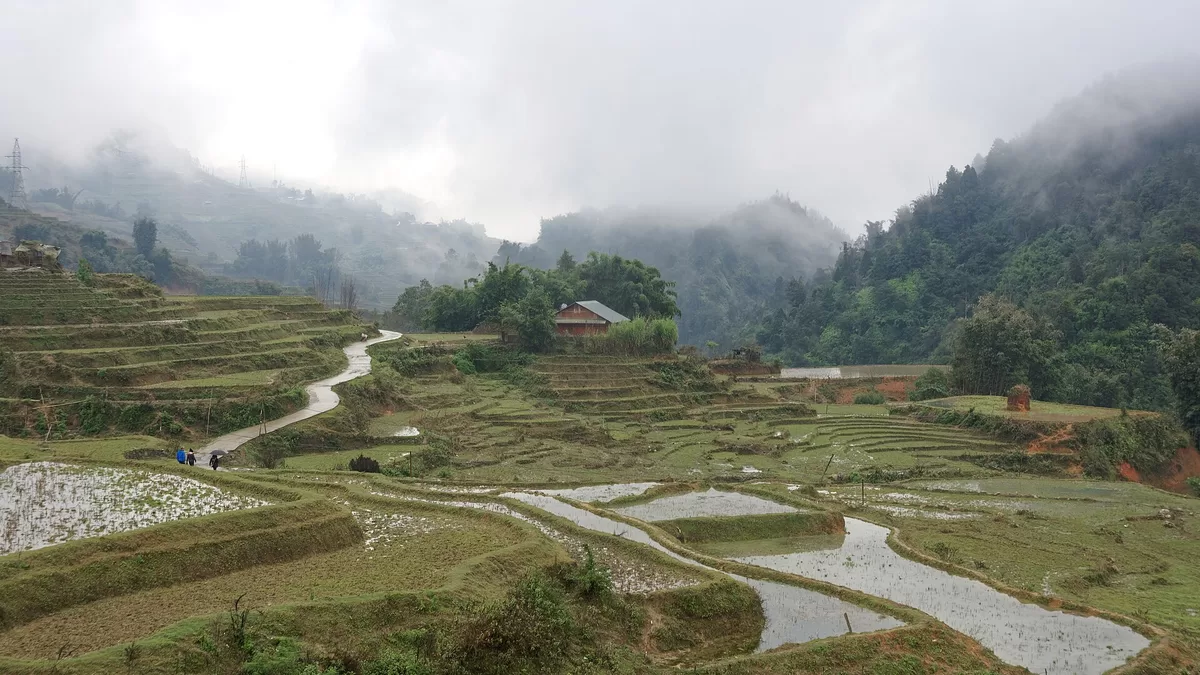
Sa Pa is the part of Vietnam international visitors most often misjudge: many arrive with an image of golden rice terraces, having booked in a month when the fields have not been planted. In the highlands, timing decides almost the entire experience.
The rice-terrace calendar
- April – May: the water season. Flooded terraces mirror the sky, producing Sa Pa's distinctive glassy effect.
- June – August: the green season. Tall rice and lush valleys, but also the wettest months.
- Mid-September – mid-October: the harvest. The most famous scenery, and the busiest period.
- December – February: the cold season. Heavy mist, genuinely cold, with occasional frost on the higher peaks.
If your travellers will see Sa Pa once in their lives, point them at late September — the terraces are gold, but the harvest crowds have not peaked.
Choosing a trek by fitness
| Route | Difficulty | Duration |
|---|---|---|
| Cat Cat village | Easy, paved paths | 2 – 3 hours |
| Lao Chai – Ta Van | Moderate, dirt trails through fields | Half day |
| Ta Phin | Moderate to hard, fewer visitors | Half to full day |
| Fansipan on foot | Hard, requires good fitness | 2 days, 1 night |
For most first-time international visitors, Lao Chai – Ta Van strikes the best balance: enough to feel the Muong Hoa valley without demanding special fitness.
Town hotel or village homestay?
Hotels in Sa Pa town are more comfortable and close to restaurants and shops, which suits families and senior travellers. Homestays in Ta Van or Lao Chai are simpler, but they buy you a quiet morning looking straight down the valley — something no hotel in town can offer. The usual compromise: one night in town, one night in a village.
Three notes on highland weather
- Day-to-night temperature swings are large. Pack a warm layer even in summer.
- Rain makes trails slippery fast. After rain, field paths can take twice as long as planned.
- Mist affects the cable car. If Fansipan by cable car is on the plan, keep the schedule flexible.
Visiting villages respectfully
The villages around Sa Pa are working communities of Hmong, Red Dao and Tay people. Ask before photographing anyone, buy handicrafts directly from the makers, and travel with a local guide — both for an accurate account of the culture and to keep the income within the community.
Victoria Tour runs Sa Pa programmes with local guides and trekking routes matched to each group's fitness.